
Carpal Tunnel Syndrome (CTS) is a condition that occurs when the median nerve, which provides sensation to the volar radial side of your hand and fingers, becomes compressed within the carpal tunnel at the wrist. This compression can cause pain, numbness, and weakness in the affected hand.
How Common It Is and Who Gets It? (Epidemiology)
Carpal Tunnel Syndrome affects millions of people, especially those who perform repetitive movements or work in certain environments. It is more common in women, particularly during pregnancy or menopause. Age is also a factor, with CTS typically affecting individuals aged 40 to 60 years. Those with certain medical conditions, such as diabetes, obesity, or hypothyroidism, are also at a higher risk.
Why It Happens – Causes (Etiology and Pathophysiology)
CTS occurs when the space inside the carpal tunnel, which houses the median nerve, is reduced. This compression can be caused by a variety of factors, including swelling of the tissue lining the tunnel (flexor tenosynovitis), fluid retention, ganglion cysts, or abnormal muscle structures. In many cases, the exact cause is unknown. Overuse, repetitive hand movements, and certain health conditions can contribute to the development of CTS.
How the Body Part Normally Works? (Relevant Anatomy)
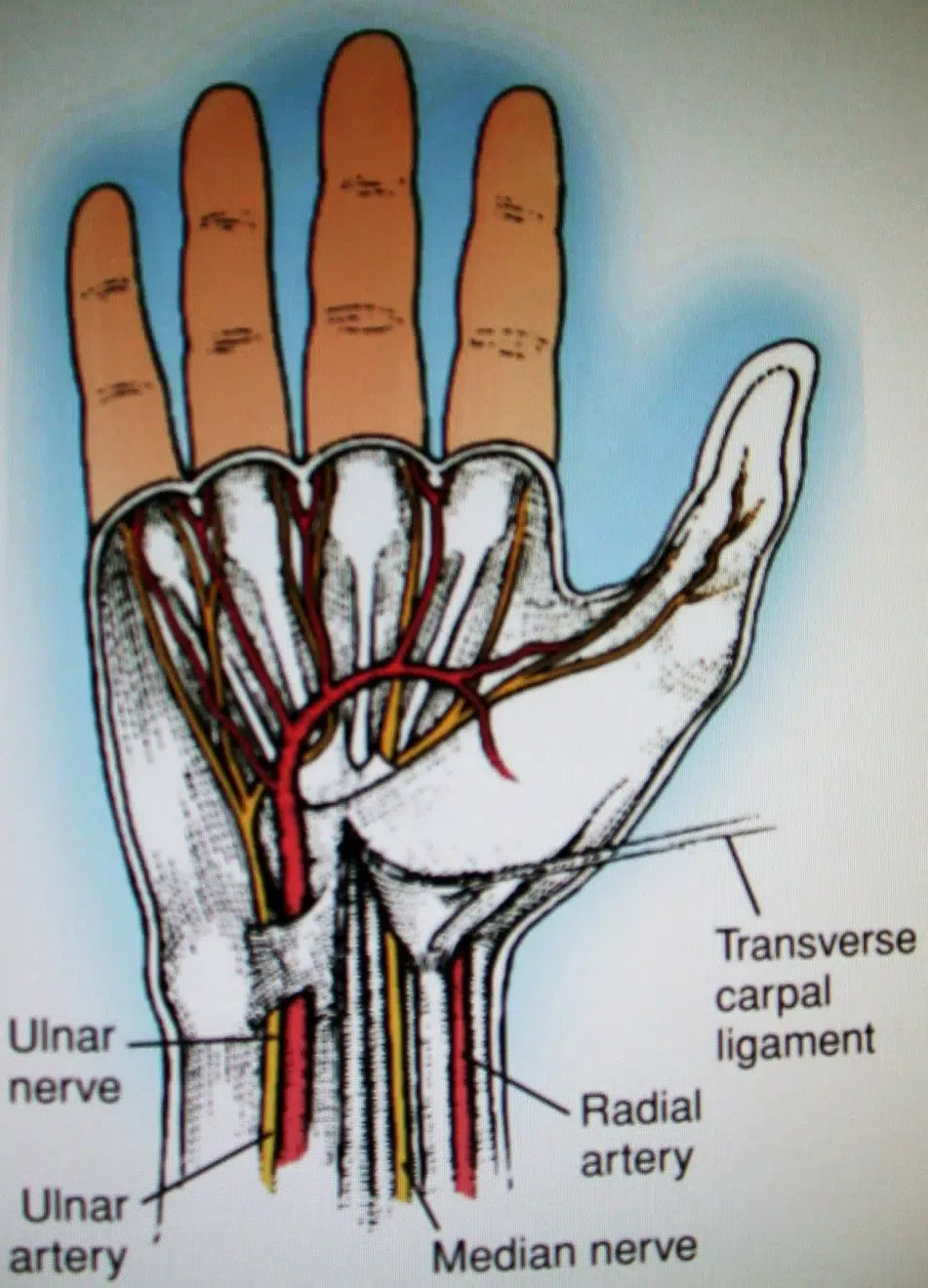
The carpal tunnel is a narrow passageway in the wrist that is formed by the eight carpal bones and the transverse carpal ligament. The median nerve and nine tendons pass through this tunnel to reach the hand. The median nerve is responsible for sensation in the thumb, index finger, middle finger, and part of the ring finger. It also controls some of the muscles in the hand that enable fine motor skills.
What You Might Feel – Symptoms (Clinical Presentation)
Patients with CTS often experience tingling, numbness, or a “pins and needles” sensation, especially in the thumb, index, and middle fingers. These symptoms may worsen at night and may be relieved by shaking or rubbing the hand. As the condition progresses, weakness in the thumb can occur, making it difficult to perform tasks such as opening jars or gripping objects.
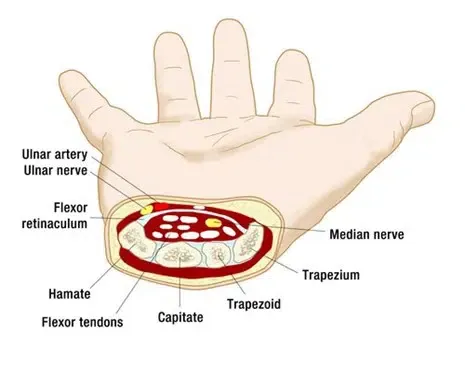
Structure of the Carpal Tunnel
How Doctors Find the Problem? (Diagnosis and Imaging)
Diagnosis begins with a patient history review, focusing on symptoms like numbness, tingling, and pain in the areas served by the median nerve. Physical examination includes sensory tests such as the Semmes-Weinstein monofilament test and two-point discrimination. Provocative tests like the Tinel sign and Phalen test are commonly used to diagnose CTS. In some cases, electrodiagnostic tests such as nerve conduction velocity (NCV) and electromyography (EMG) may be performed to confirm the diagnosis and assess the severity.
Classification
CTS is generally classified based on severity, ranging from mild cases with intermittent symptoms to severe cases with constant numbness, muscle weakness, and nerve damage. The severity of CTS can be assessed using electrodiagnostic tests, which measure the latency and velocity of nerve conduction.
Other Problems That Can Feel Similar (Differential Diagnosis)
Several conditions may mimic the symptoms of CTS, including thoracic outlet syndrome, pronator teres syndrome (Double Crush Syndrome), and arthritis. Other possible causes of hand and wrist pain include tendonitis, ganglion cysts, and fractures.
Treatment Options
Non-Surgical Care
Non-surgical treatments are often the first line of treatment for CTS. These include wrist splints, especially worn at night, to keep the wrist in a neutral position. Activity modification, such as avoiding repetitive wrist movements, can also help alleviate symptoms. In some cases, steroid injections may provide relief by reducing inflammation in the carpal tunnel.
Surgical Care
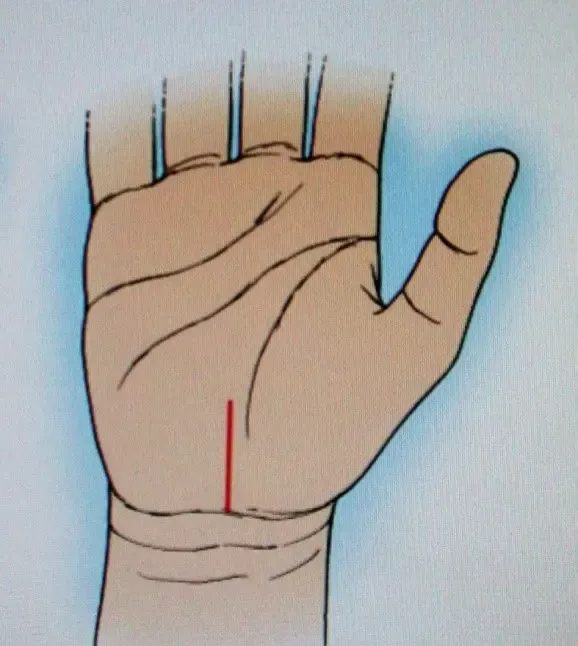
If conservative treatments fail, surgery may be necessary. The goal of surgery is to relieve pressure on the median nerve by releasing the transverse carpal ligament or performing a flexor synovectomy. Surgery can be performed using open, mini-open, or endoscopic techniques, though the mini-open approach is often preferred to avoid complications associated with endoscopic procedures.
Recovery and What to Expect After Treatment
After surgery, patients typically wear a wrist splint for about two weeks to allow for healing and protect the wrist from accidental injury. Stitches are removed after two weeks, and patients may need to continue using a wrist brace for several weeks, especially during work or at night. Recovery time varies, but the median nerve usually takes between 8 weeks to 6 months to fully recover. Many patients can return to light work after a month, with full activity resumed in 6 to 8 weeks.
Possible Risks or Side Effects (Complications)
Complications of CTS surgery include infection, nerve injury, stiffness, and scarring. In rare cases, the median nerve may be inadvertently cut during endoscopic surgery. If left untreated, CTS can lead to permanent nerve damage and muscle atrophy in the hand.
Long-Term Outlook (Prognosis)
With proper treatment, the outlook for CTS is generally good. Symptoms often improve after surgery, with most patients experiencing significant relief from pain, numbness, and weakness. However, recovery from nerve damage may take time, and some patients may continue to experience mild symptoms even after surgery.
Out-of-Pocket Costs
Medicare
CPT Code 64721 – Carpal Tunnel Release (Open): $106.72
CPT Code 29848 – Carpal Tunnel Release (Endoscopic): $123.03
CPT Code 64719 – Neuroplasty/Transposition of Median Nerve: $97.61
CPT Code 20526 – Injection, Therapeutic: $19.32
Under Medicare, 80% of the approved amount for these procedures is covered once your annual deductible has been met. The remaining 20% is typically the patient’s responsibility. Supplemental insurance plans—such as Medigap, AARP, or Blue Cross Blue Shield—usually cover this 20%, leaving most patients with little to no out-of-pocket expenses for Medicare-approved procedures. These supplemental plans work directly with Medicare to ensure full coverage for treatments like carpal tunnel release and nerve procedures.
If you have secondary insurance—such as Employer-Based coverage, TRICARE, or Veterans Health Administration (VHA)—it acts as a secondary payer once Medicare processes the claim. After your deductible is satisfied, the secondary plan may cover any remaining balance, including coinsurance or any uncovered charges. Secondary plans typically have a modest deductible, ranging from $100 to $300, depending on the policy and network status.
Workers’ Compensation
If your carpal tunnel condition or median nerve injury requiring these procedures is work-related, Workers’ Compensation will fully cover all treatment-related costs, including surgery and rehabilitation. You will have no out-of-pocket expenses under an accepted Workers’ Compensation claim.
No-Fault Insurance
If your carpal tunnel or median nerve injury is the result of a motor vehicle accident, No-Fault Insurance will cover the full cost of your surgery and any other medical treatments. The only possible out-of-pocket cost may be a small deductible depending on your individual policy terms.
Example
Nancy, a 54-year-old patient with carpal tunnel syndrome, underwent open carpal tunnel release (CPT 64721) and a therapeutic injection (CPT 20526). Her estimated Medicare out-of-pocket costs were $106.72 for the surgery and $19.32 for the injection. Since Nancy had supplemental insurance through Blue Cross Blue Shield, the 20% that Medicare did not cover was fully paid, leaving her with no out-of-pocket expenses for the procedures.
Frequently Asked Questions (FAQ)
Q. What is carpal tunnel syndrome?
A. Carpal tunnel syndrome is a condition caused by compression of the median nerve at the wrist, leading to symptoms like numbness, tingling, and weakness in the hand.
Q. How is carpal tunnel syndrome diagnosed?
A. Diagnosis is based on a patient’s history, physical examination, and possibly electrodiagnostic tests like nerve conduction studies and electromyography (EMG).
Q. What are the treatment options for carpal tunnel syndrome?
A. Treatment options range from non-surgical methods, such as wrist splints and steroid injections, to surgery to release pressure on the median nerve.
Q. How long does it take to recover from carpal tunnel surgery?
A. Recovery time can vary, but most patients can resume light activities within 4 to 6 weeks and return to full activity in 6 to 8 weeks.
Summary and Takeaway
Carpal Tunnel Syndrome is a condition caused by the compression of the median nerve in the wrist, leading to pain, numbness, and weakness in the hand. Non-surgical treatments, such as wrist splints and steroid injections, are often effective, but surgery may be required for more severe cases. With proper treatment, the prognosis is generally positive, and most patients experience significant relief from symptoms.
Clinical Insight & Recent Findings
A recent study reviewed the clinical aspects, diagnostic strategies, and treatment options for carpal tunnel syndrome (CTS), a common condition resulting from compression of the median nerve. The review emphasized the growing role of advanced diagnostic tools like ultrasound and electrophysiological tests, which enhance the accuracy of CTS diagnosis.
Non-surgical treatments, including corticosteroid injections, manual therapy, and extracorporeal shock wave therapy (ESWT), offer relief for early or mild cases, while surgical interventions, particularly carpal tunnel release, remain the gold standard for more severe or refractory CTS.
Minimally invasive techniques, such as endoscopic and ultrasound-guided release, are gaining popularity for their benefits in reducing recovery times and complications. The study highlighted that while both open and endoscopic surgeries provide substantial symptom relief, endoscopic methods tend to offer quicker recovery, although they come with a slightly higher risk of short-term complications like transient neurapraxia.
Ultrasound-guided carpal tunnel release (UCTR) was identified as a promising approach due to its minimal invasiveness and rapid recovery times, with an average operative duration of just 5.8 minutes (“Study on carpal tunnel syndrome diagnosis and treatment – See PubMed“).
Who Performs This Treatment? (Specialists and Team Involved)
Carpal Tunnel Syndrome is typically diagnosed and treated by orthopedic surgeons, hand surgeons, or neurosurgeons. In some cases, physical therapists may be involved in the rehabilitation process after surgery.
When to See a Specialist?
You should consult a specialist if you experience persistent numbness, tingling, or pain in your hand, especially if these symptoms interfere with your daily activities.
When to Go to the Emergency Room?
Visit the emergency room if you experience sudden, severe pain, loss of function in the hand, or if you notice any signs of infection after surgery, such as increased redness, swelling, or fever.
What Recovery Really Looks Like?
Recovery after carpal tunnel surgery involves wearing a splint for protection, performing range-of-motion exercises, and gradually resuming light activities. Most patients can return to work after a few weeks, but full recovery may take several months.
What Happens If You Ignore It?
Ignoring carpal tunnel syndrome can lead to permanent nerve damage, weakness, and muscle atrophy in the hand. In severe cases, untreated CTS can result in long-term disability.
How to Prevent It?
Preventive measures include avoiding repetitive wrist movements, maintaining good ergonomics, and taking breaks during tasks that involve extended hand use. Regular hand exercises can also help strengthen the muscles and tendons around the carpal tunnel.
Nutrition and Bone or Joint Health
Adequate intake of calcium and vitamin D is essential for bone health, especially for individuals with CTS risk factors. Maintaining a healthy weight and managing underlying health conditions like diabetes or hypothyroidism can also help reduce the risk of developing CTS.
Activity and Lifestyle Modifications
For those at risk of CTS, modifying daily activities to reduce stress on the wrist, such as using ergonomic tools and taking regular breaks, is important. Engaging in hand and wrist strengthening exercises may also help prevent the development or progression of CTS.